


Lepote multikulturnosti 4
- Ustvarjalec teme Matey
- Začetni datum
Uporabljate neposodobljen brskalnik. Ta ali druga spletna stran morda ne bo prikazana pravilno.
Posodobite brskalnik ali uporabite alternativni brskalnik.
Posodobite brskalnik ali uporabite alternativni brskalnik.

Kaj ti se numnaega delaš, ali imaš nas za neumne?Zakaj? Če ni nič spornega v mojem vprašanju me lahko da tudi komot na ignore. Čemu se torej nabijajo minusi, iz inata? Vidim da nekateri nekaterim serijsko nabijajo prste dol. Meni osebno je sicer vseeno, to so samo moja opažanja in pač vprašam kakšna so pravila igre. Moram potem jaz nazaj nabijati minuse ker ne odobravam minusov za bv? A niso forumi za čvekanje in za izmenjavo mnenj?
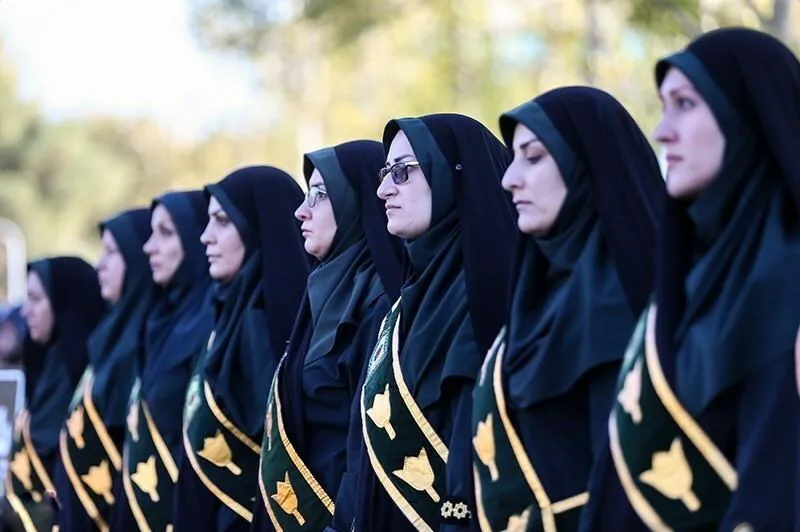
Kako je biti ženska v Iranu leta 2026?
Težko. Če je vdana v usodo in nima od življenja več nobenih drugih pričakovanj kot se skrita postarati v služenju drugim in če je sprejela, da ista usoda čaka tudi njene hčere … še morda nekako gre.
 www.zanima.me
Zdaj če jim črne rjuhe šiva D&G in Armani, potem bi tvoja teorija še nekako lahko zdržala. Sicer pa...
Pa kdaj jim bo ratalo jasno? Opice so za v živalski vrt, črnci pa za v zapor.
A ni zanimivo, kako so všečki (prst gor) sinonim za strinjanje/potrditev in ne potrebujejo dodatnih pojasnil. Rdeči prstki dol pa evidentno kličejo po interpretaciji...ali bolj preprosto povedano, po bolj kvalitetni komunikaciji oz. dialogu.
O Iranu in Irankah piše Iranka.Beri se enkrat od posta 12803 naprej..
Kdo ima pravico pisati zgodbo iranskih žensk

Kdo ima pravico pisati zgodbo iranskih žensk
Gostujoče pero: Avtorica poudarja, da so si iranske ženske kljub represiji izborile večjo avtonomijo in pravico do lastne opredelitve.
 www.delo.si
Pozabljaš da so imele pred islamsko revolucijo več pravic
Tako pa delajo nekateri
Tako pa delajo nekateri

Kakšno vezo ima to z Iranom?Pozabljaš da so imele pred islamsko revolucijo več pravic
Tako pa delajo nekateri

sploh je težko razumet, kako sranje je prišlo tja z onim butlomPozabljaš da so imele pred islamsko revolucijo več pravic
Tako pa delajo nekateri
Pregled, generiran z umetno inteligenco
Assuming this question refers to Iran (given the specific mention of the 1979 revolution), Iranian women had vastly more legal rights and personal freedoms before 1979 than they did after the Islamic Revolution.
Rights Before 1979 (Pahlavi Era)
During the reign of the Shah (Mohammad Reza Pahlavi), the government pushed a secular, Western-oriented modernization program. [1]
Did they live "like in Europe or USA"?
Urban, middle- and upper-class women in cities like Tehran experienced a lifestyle that closely mirrored Western societies of the 1960s and 1970s. However, this "Western normality" was largely concentrated among the urban elite. Traditional and rural communities often viewed these rapid, top-down state decrees—such as earlier bans on traditional veiling—as forced immodesty and a break from their cultural values. [1, 2, 3]
The Shift After 1979
Following the 1979 Islamic Revolution led by Ayatollah Khomeini, the new theocratic regime immediately suspended the Family Protection Law, lowered the legal marriage age for girls, enforced mandatory veiling (hijab), and segregated various public spaces. While female enrollment in universities eventually climbed back up decades later, fundamental legal autonomy—such as rights regarding divorce, child custody, travel, and dress—was severely curtailed.
Dejansko danes tudi pri na živijo ljudje, ki čez ovinek nekako zagovarjajo ta režim, pa se vprašaš če so vsi skup blesavi


Se absolutno strinjam, ženske so zatirane. Jim pa država omogoča izobraževanje in Iranke so zelo izobražene, veliko bolj kot so bile pod Pahlavijem.

 en.wikipedia.org
Women's education in Iran - Wikipedia
Pogrešam borca proti pedofilom. Še ne toliko nazaj smo poslušali kako je del klera zganjal zavrženo dejanje pedofilstva. Po drugi strani pa so samo v desetletju muslimani v VB posilili sto tisoč punčk, da ne govorimo o kozah in fantih pa je vse tiho
Bomo izobesili kako zastavo?? Kaj zdaj pravičniki levičniki?
Absolutno obsojanja vredno. P.S. povejte Janši da je EU večkrat obsodila te zločine in nasilje. Še njegova nova24 je pisala o resoluciji.
Ajatole je 'zrihtal' Zahod, samo so potem kleriki potegnili UNO karto in zahod odjebali.sploh je težko razumet, kako sranje je prišlo tja z onim butlom
Pregled, generiran z umetno inteligenco
Assuming this question refers to Iran (given the specific mention of the 1979 revolution), Iranian women had vastly more legal rights and personal freedoms before 1979 than they did after the Islamic Revolution.
Rights Before 1979 (Pahlavi Era)
During the reign of the Shah (Mohammad Reza Pahlavi), the government pushed a secular, Western-oriented modernization program. [1]
- Voting and Office: Women gained the right to vote and run for parliament in 1963. [1, 2]
- Family Law: The Family Protection Law of 1967 (and expanded in 1975) raised the minimum marriage age for girls to 18, restricted polygamy, gave women equal rights to petition for divorce, and granted them child custody rights. [1, 2]
- Public Life: Women wore Western-style clothing, attended co-educational universities freely, worked in professions like law, medicine, and government, and socialized in mixed-gender public spaces. [1, 2, 3]
Did they live "like in Europe or USA"?
Urban, middle- and upper-class women in cities like Tehran experienced a lifestyle that closely mirrored Western societies of the 1960s and 1970s. However, this "Western normality" was largely concentrated among the urban elite. Traditional and rural communities often viewed these rapid, top-down state decrees—such as earlier bans on traditional veiling—as forced immodesty and a break from their cultural values. [1, 2, 3]
The Shift After 1979
Following the 1979 Islamic Revolution led by Ayatollah Khomeini, the new theocratic regime immediately suspended the Family Protection Law, lowered the legal marriage age for girls, enforced mandatory veiling (hijab), and segregated various public spaces. While female enrollment in universities eventually climbed back up decades later, fundamental legal autonomy—such as rights regarding divorce, child custody, travel, and dress—was severely curtailed.
Dejansko danes tudi pri na živijo ljudje, ki čez ovinek nekako zagovarjajo ta režim, pa se vprašaš če so vsi skup blesavi



20 policistov na dan za nadzor 16-letnika, ki 'hoče biti mučenik'? | 24ur.com
Pri komaj 14 letih je načrtoval napad na dunajsko železniško postajo Westbahnhof, pozneje pa se je skušal dokopati do bojnega noža. Danes 16-letni Avstrijec turških korenin je bil zaradi terorističnih načrtov že dvakrat obsojen, konec avgusta pa so ga znova predčasno izpustili iz zapora. Po...
Danes 16-letni Avstrijec turških korenin je bil zaradi terorističnih načrtov že dvakrat obsojen, konec avgusta pa so ga znova predčasno izpustili iz zapora. Po poročanju avstrijskega časnika Kronen Zeitung naj bi bil še vedno tako radikaliziran, da je za njegov nadzor vsak dan potrebnih kar 20 policistov, specialna enota Cobra pa naj bi bila ves čas v pripravljenosti.

Tudi AT pravosodje ni pripravljeno na obravnavo pripadnikov iz leta 1448
// Not surprise

 hijridates.com
Mogoče bi jim morali soditi po šariji ? Je potem en rabelj za pol ure dovolj, ne 20 policajev 24/7 in cobra enota.
// Not surprise
Today hijri date | Arabic date
Today's Hijri and Gregorian date Hijri calendar Hijri and Gregorian date Today's Hijri and Gregorian date Conversion of the date between Gregorian and Hijri
Mogoče bi jim morali soditi po šariji ? Je potem en rabelj za pol ure dovolj, ne 20 policajev 24/7 in cobra enota.